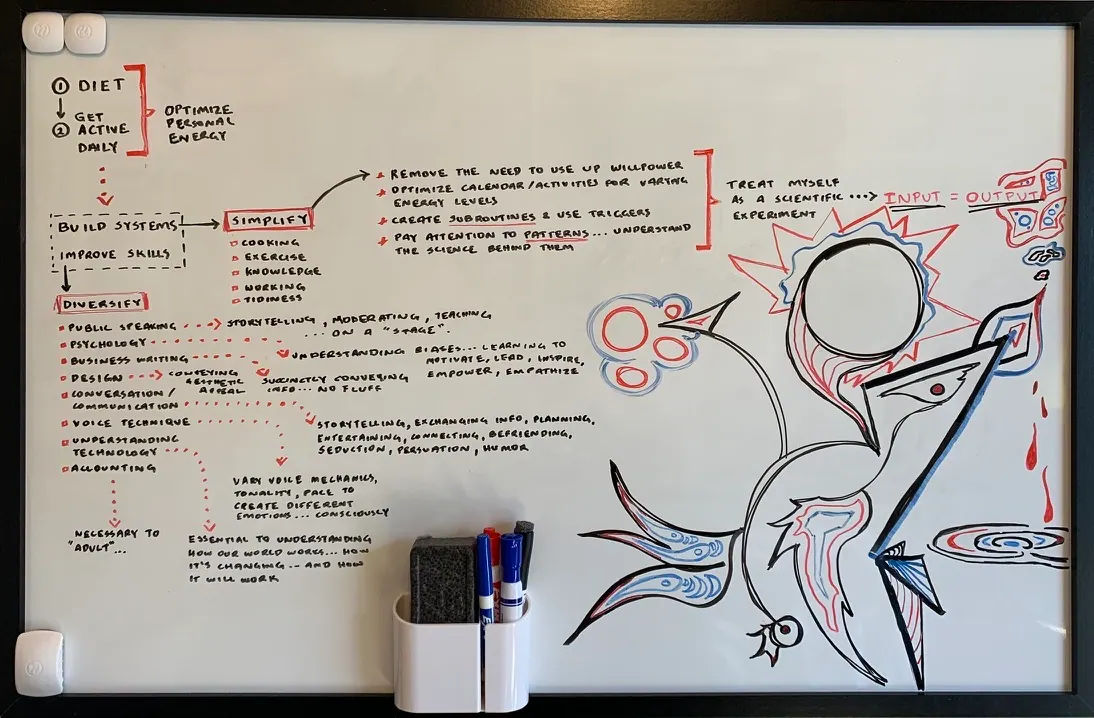
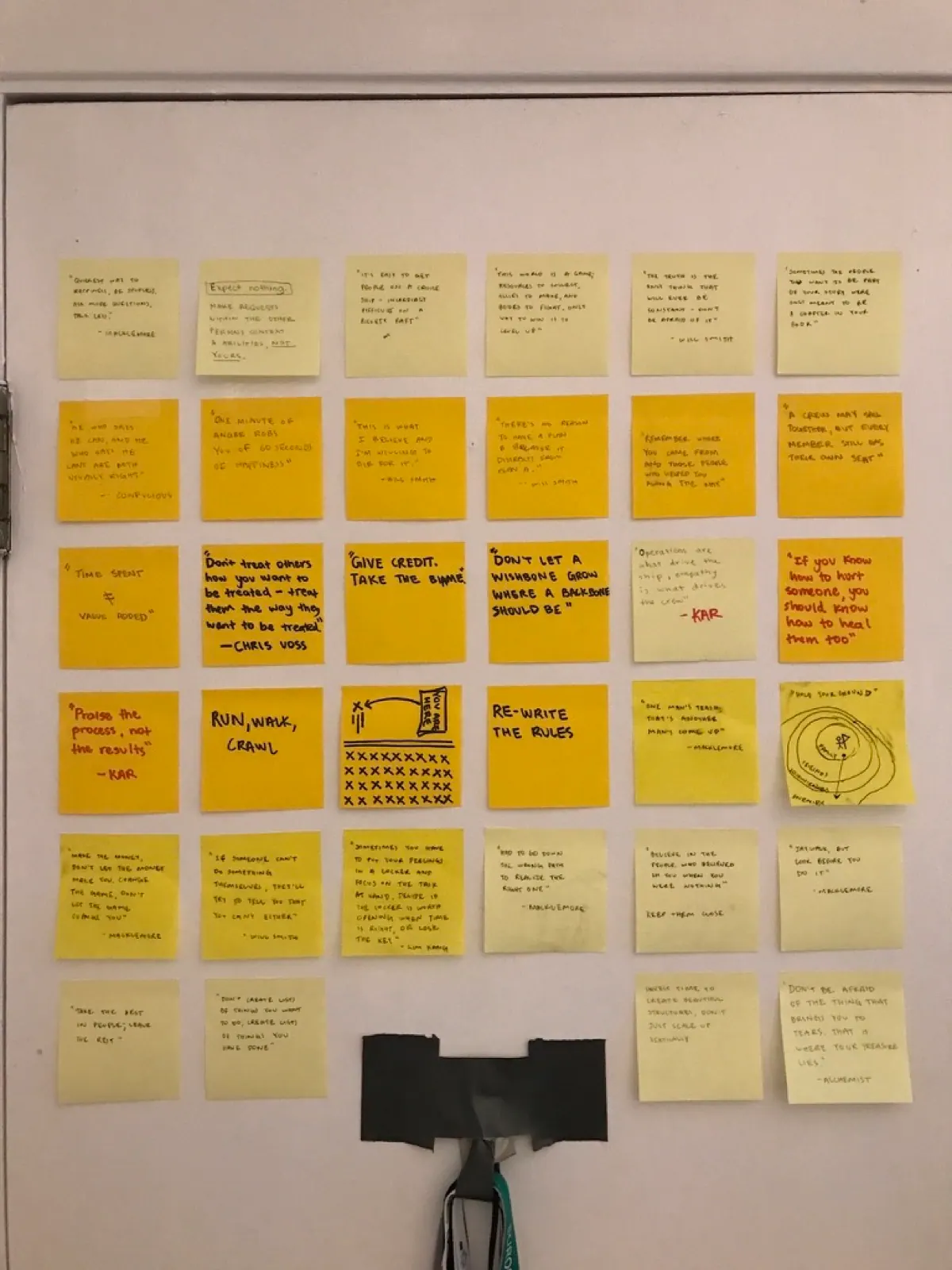
Most of the things I care about started with a question I couldn't leave alone.
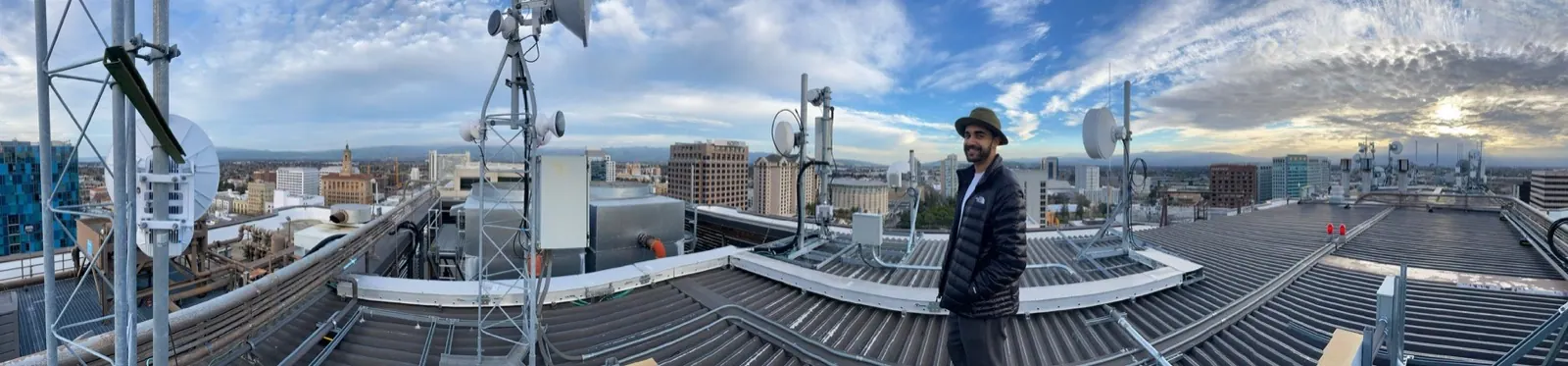
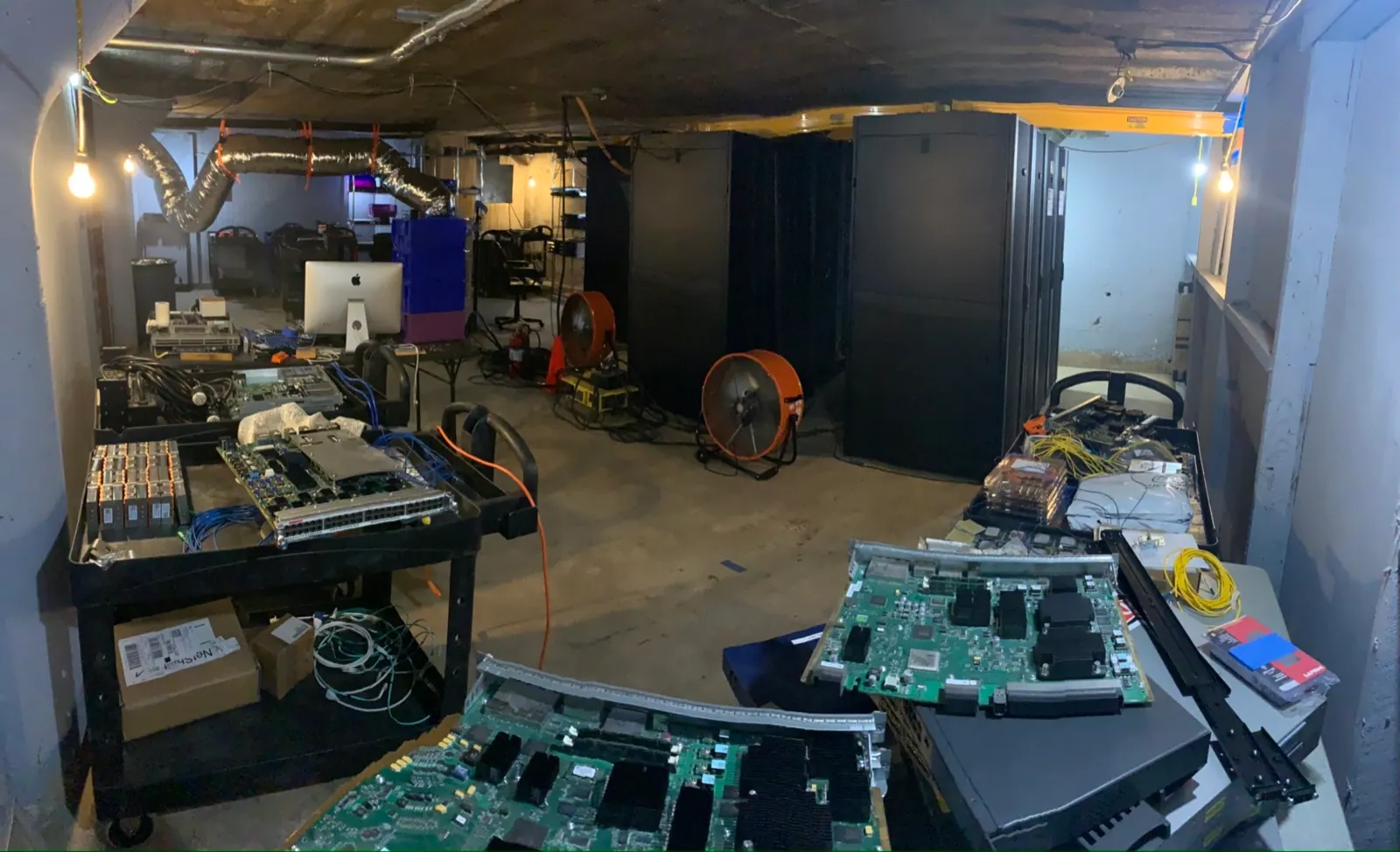
Hi, I'm Kar. Welcome to my space!
I love figuring out how things work, whether that's a person, a business, or a piece of technology. That curiosity keeps bringing me back to the relationship between technology and society. What can we build? Who gets to use it? How does it change the way we live? I want to understand those questions and have a hand in what comes next.
On this site you'll find my story, things I've built, and some of the frameworks that have helped me along the way. There are also notes from whatever has caught my attention. Some of it is finished work. Some is still taking shape.
I'm looking to meet more people driven by a mission. You might be building a business, studying a difficult problem, or following an interest that's become an obsession. I'm especially interested in people who care about both what they're making and what it means for others.
If something here sparks your interest, reach out. I'm always happy to make new friends.
My work & projects
Bytespace Labs
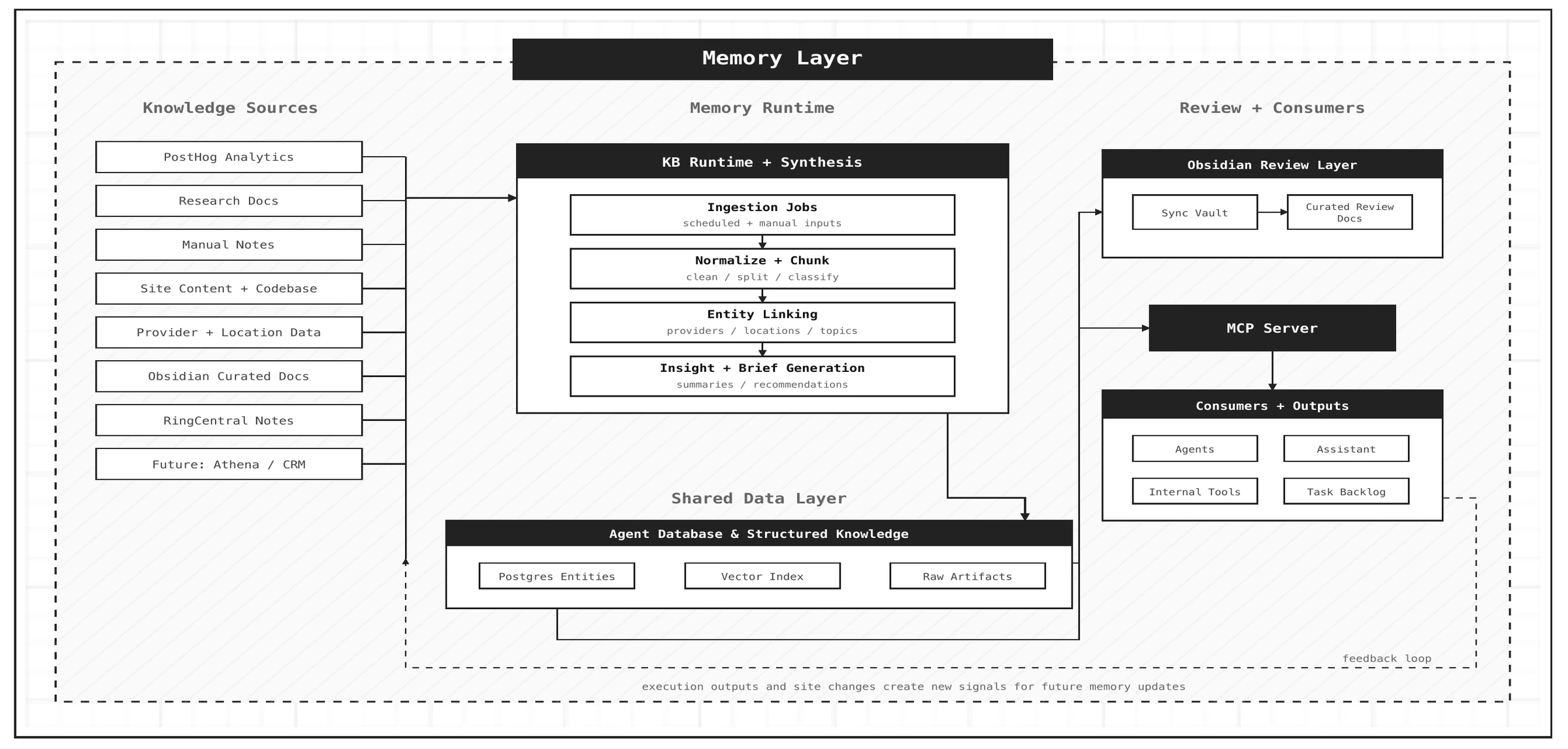
Healthcare AI infrastructure for turning clinical work into usable data, automation, and intelligence systems.
Bot0 Agent Harness
Agent tooling for building, testing, and operating AI systems across real software workflows.
Cmd0 Chrome Extension
Web automation product for building and managing AI agents across websites, workflows, and business operations.
Experience
Bytespace Labs
Founder & CEO
Software & AI
May 2024 - Present
Certa
VP, Business Development
Software
Dec 2021 - Mar 2023
6x7 Networks
Chief Business Officer
Infrastructure
Oct 2019 - Nov 2021
Director, Business Dev
Sep 2018 - Oct 2019
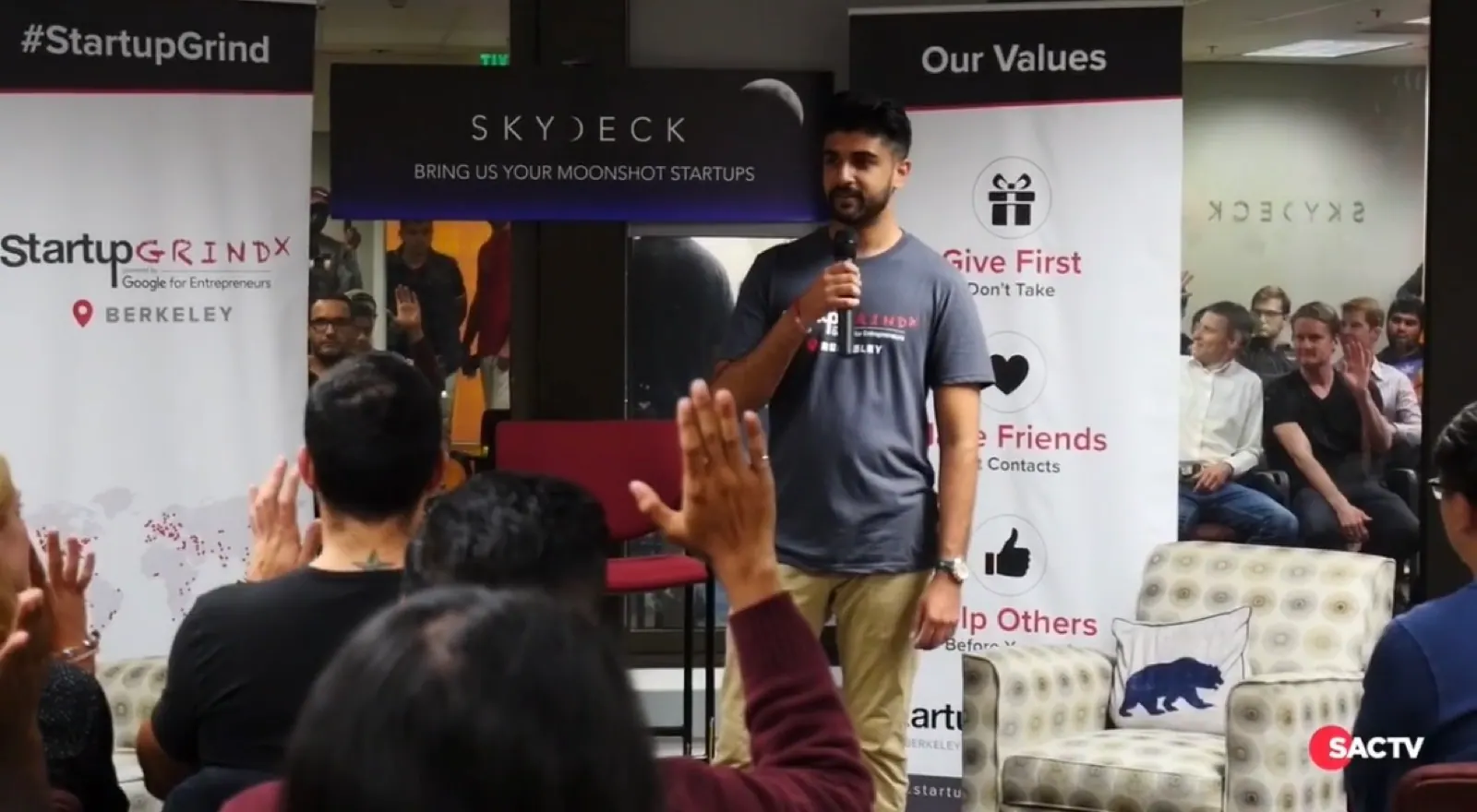
Startup Grind Berkeley
Founder & Chapter Director
Community
Jul 2018 - Jan 2022
Rainforest Partnership
Director of Partnerships
Nonprofit
May 2019 - Oct 2019
Paladin Partners
Founder & Executive Director
Consulting
Jul 2017 - Oct 2019
UC Berkeley Sutardja Center (SCET)
Student Instructor
Education
Nov 2016 - Dec 2017
Selected Writing
Systems
Explore systems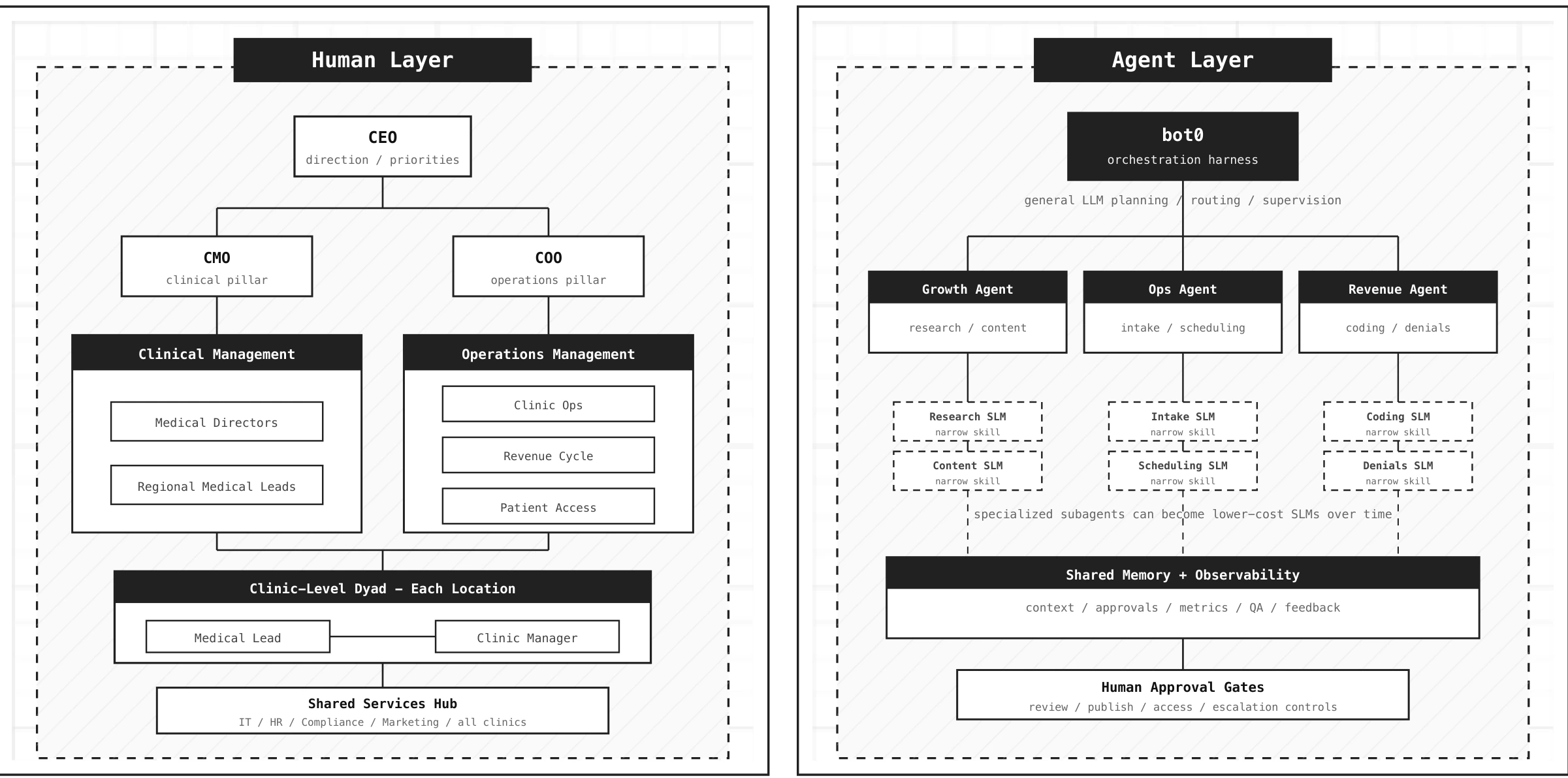
About Me
01 / origin
I don't think I've changed much.
I was a weird kid, born in a rural town in northern India.
When I was three, my family moved to California. There were five of us crammed into a tiny one-bedroom apartment just south of Oak Park in Sacramento. The neighbors were kind... but you learned pretty quickly which streets not to wander down.
Fortunately, my parents worked hard and we made it to the suburbs of Natomas. It was still Sac, and not super posh, but I could ride my bike around the neighborhood without worry.
02 / home
From the outside, my childhood probably looked pretty normal. Taekwondo, skateboarding, soccer games, and the occasional family vacation.
If you looked closer, you'd see things were shaky at home. On my walks home from elementary school, I'd always worry whether the police would be at our door. I remember nights spent in hospitals and McDonald's parking lots, and how often we relied on the generosity of strangers.
My rock was always my mom. She never let me miss a day of school or soccer practice. I remember one night when she drove herself to the hospital covered in blood. We spent the night there together, and the next morning she still drove me to school.
To survive, you learned to pay attention. To notice shifts in energy. To calm people down. To understand what someone needed before they said it out loud. That habit stayed with me. I still want to understand what's going on underneath what people say and do.
My story isn't unique. Most of us aren't born holding pocket aces. If we were, we wouldn't have become the same people. So I'm learning to be as grateful for the lows as I am for the highs.
03 / curiosity
Through all of that, my mother was an angel. I wish I could say I made it easy on her.
At four, I snuck out of my daycare to explore the neighborhood. The police found me a half mile away sitting on the curb at an intersection.
At five, I was sneaking out of the house and knocking on neighbors' doors asking if I could tour their homes. Surprisingly, many said yes, and we became friends.
At seven, an archaeology documentary convinced me I'd find fossils in our backyard. My parents found me digging two-foot holes all over it.
At eight, after becoming obsessed with the cartoon Dexter's Laboratory, I turned my bedroom closet into a "lab" and started mixing every substance I could find in the house. For the record, bleach and vinegar do not mix well.
I have been told these are not normal things.
I was curious about everything and usually off doing something questionable. Eventually, I started recruiting the other kids. Their parents were less thrilled.
When I wasn't doing that, I was reading fiction, encyclopedias, the dictionary, or whatever else I could get my hands on. Collecting information long before I knew what to do with it.
It only took me twenty years and a stack of autism and ADHD self-assessments to go, "Well, that explains a few things."
04 / school
School came pretty easily to me. Learning how to follow through took longer.
In middle school, I was placed in an accelerated math and science program. I almost immediately landed on academic probation because I refused to do the assignments.
My teacher was baffled. One day she pulled me aside and said, "You scored so high on the entrance exam that the faculty wanted to put you in high school math in sixth grade."
Eventually, I got my shit together and won our local science fair, which took me to the district competition. I'd built two functioning hovercrafts out of plywood, tarp, and leaf blowers. They floated three or four inches off the ground, and yes, you could sit on them.
The only problem was that they had to be plugged in, so you only got about twenty feet of glory before someone had to push you back. Still cool.
05 / systems
Around that same age, my experiments moved from the backyard to the computer.
I became obsessed with RuneScape, a massive online medieval game where thousands of players shared the same world. It had a complex in-game economy and 24 unique skills. The social dynamics felt surprisingly real.
What hooked me was the scale. Playing normally meant thousands of hours of grinding, which of course meant I wanted to find a way around it.
It was also a place where I could talk to people without the usual baggage of age, status, or what I looked like in real life. I could study how they behaved when all they had were words, incentives, and a little avatar on a screen.
I started testing the limits of both the game and the people inside it.
One early discovery was that strangers were more generous if I played as a female character. I was twelve, so naturally I turned that observation into a morally questionable little automation experiment. I wrote scripts that asked other players for free stuff while I was away from the keyboard.
That's also where my love affair with automation began.
Later, I discovered auto-clickers and started writing basic color-detection scripts to gather wood, fish, and ores. I could sell those resources for in-game currency without spending hours collecting them myself.
Eventually, I bought almost everything I wanted in the game and ran out of things to do with the money. So I looked outside the game and found online exchanges where people traded in-game currency for real-world cash. The exchange rate was trash, but at twelve a few thousand dollars was a fortune.
I was not thinking about engineering or startups back then. I just liked systems. Games, people, incentives, rules, loopholes, and leverage.
06 / usefulness
That curiosity followed me into college, where I started as a physics major on a pre-med track. But I quickly realized I wasn't ready to commit the next decade of my life to a path I was already questioning.
I wanted to learn everything.
At UC Berkeley, I took courses in psychology, chemistry, biology, physics, philosophy, economics, and political science. I was learning from Nobel laureates and people who had spent their lives studying things I'd barely heard of. How could I pass up the chance to learn from them?
I also found my way to the Sutardja Center for Entrepreneurship and Technology at Cal. Starting a company sounded like a pretty good excuse to keep learning about all of it. Except now I'd have to figure out how to make something useful out of what I knew.
The summer after freshman year, I went to Nice, France, for the European Innovation Academy. A hundred teams had a month to turn an idea into a startup. We pitched in front of 400 people and placed 11th.
I was hooked.
Two years later, I was back at the same accelerator, this time as a mentor in Turin, Italy. That's where I founded Paladin Partners. We spent a month living out of a 5x8 ft room getting the company off the ground. The work eventually took us to Lisbon, Estonia, South Korea, and California.
Since then, I've closed tens of millions in business and worked across software, infrastructure, events, and even nonprofits. The settings kept changing, but my questions stayed the same. How does this work? Why do people do it this way? Could we make it better?
I've learned the hard way that being clever is not the same as being useful. The older I get, the more interested I am in building things that actually help people. Tools that make work easier, ideas easier to express, and complicated systems easier to navigate.
In a lot of ways, I'm still that curious kid. Still collecting information. Still testing assumptions. Still drawn to strange corners of the world.
The difference is that now I care a lot more about what the work does for other people.
07 / now
In my twenties, I took big swings and tried a lot of different things. In my thirties, I'm more deliberate about where I go deep and what I commit to building.
I'm most interested in work at the intersection of technology and society. AI, robotics, space, infrastructure, and the systems that shape how people live.
Those fields don't just raise technical questions. They raise moral and psychological ones too. That's part of what draws me to them. I want a hand in how those technologies are built, who gets access to them, and what they actually do for people.
That's where I've always felt most alive. Somewhere between the machine and the people using it, between the system and the social contract behind it.
If you've made it this far, maybe you're my kind of human. We should talk.
Notes
More notes